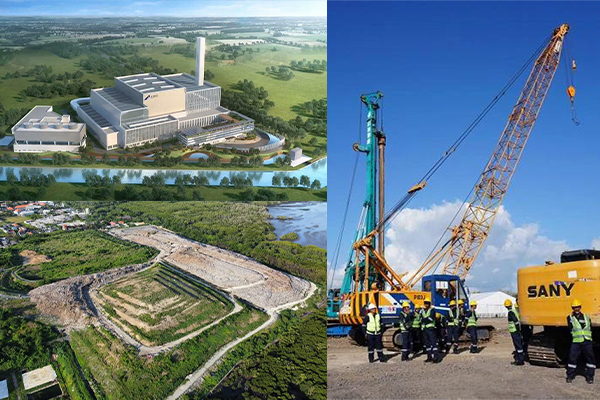
Bali’s New Waste-to-Energy Project: A Major Step Forward for the Island’s Future
Bali’s long-running waste problem has become one of the island’s most visible environmental and tourism challenges. With landfill pressure, illegal dumping, plastic pollution and growing daily waste volumes, the issue has increasingly affected not only local communities, but also Bali’s image as a world-class tourism and lifestyle destination.
A major new solution is now underway, with Danantara backing a Rp 3 trillion waste-to-energy facility in South Denpasar. The project is designed to process around 1,500 tons of waste per day, or more than 500,000 tons per year, converting waste into energy while significantly reducing the volume of rubbish that would otherwise end up in landfill.
For Bali, this is more than just an infrastructure project. A cleaner, better-managed island is essential for the long-term strength of the tourism industry, the property market, and the overall quality of life for residents and visitors. Areas such as Denpasar, Badung, Seminyak, Canggu, Uluwatu and Ubud all depend heavily on Bali maintaining its natural beauty, clean environment and international reputation.
While this project will not solve every waste issue overnight, it is a positive and important step in the right direction. As Bali continues to grow, large-scale infrastructure, environmental management and sustainable planning will become increasingly important factors for investors, developers, villa owners and buyers looking at the island’s long-term future.
For the Bali property market, this kind of investment is encouraging. It shows that serious attention is now being given to the infrastructure needed to support Bali’s next stage of growth — not just more hotels, villas and tourism projects, but the essential systems required to keep the island livable, attractive and sustainable for years to come.